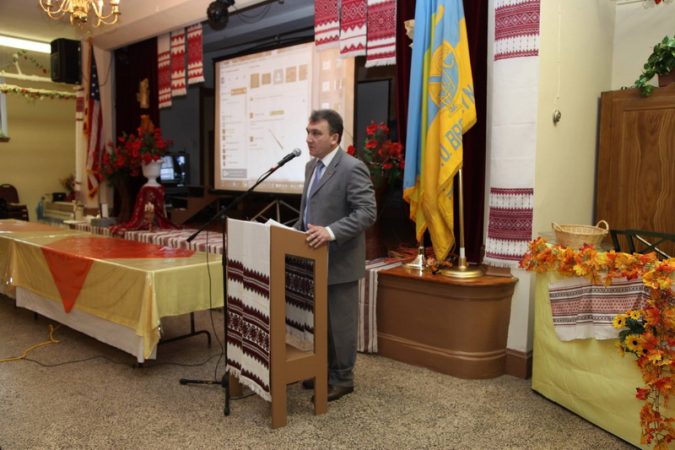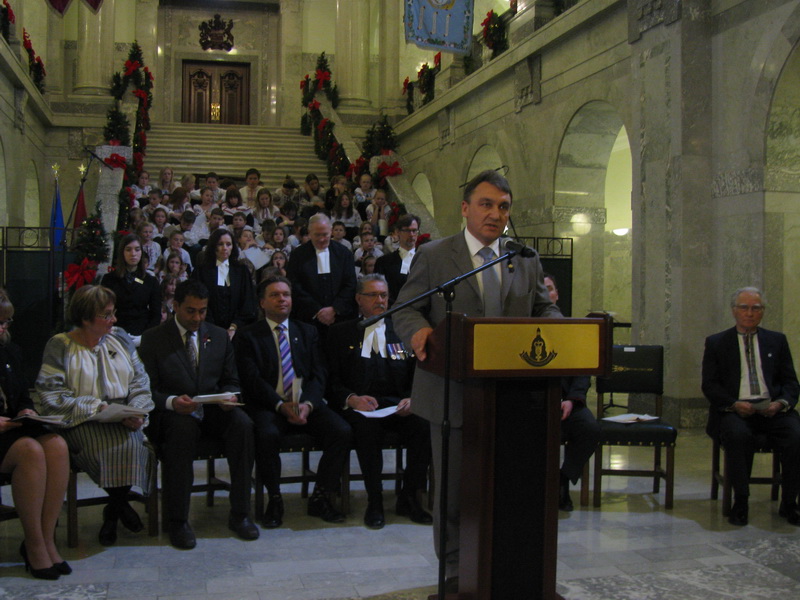
26 листопада в Парламенті провінції Альберта (м.Едмонтон, Канада) відбулися слухання на тему 80 річниці Голодомору-геноциду в Україні 1932-1933 рр.
Виступаючі депутати парламенту, його спікер, представники українських громадських кіл закликали пам`ятати уроки минулого, щоб не допустити їх повторення.
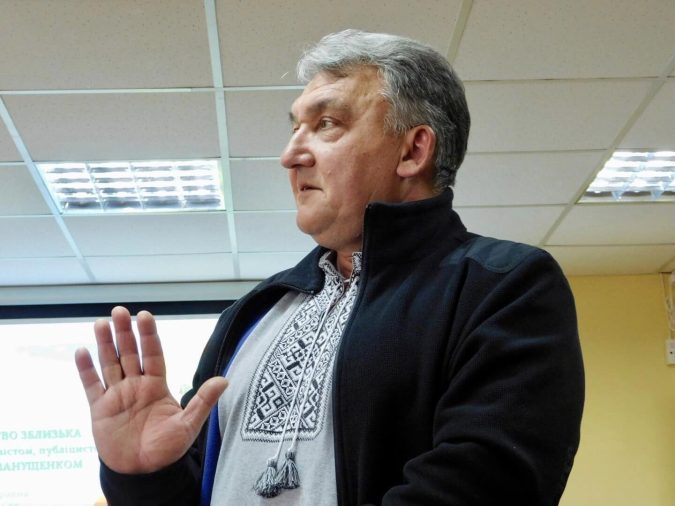
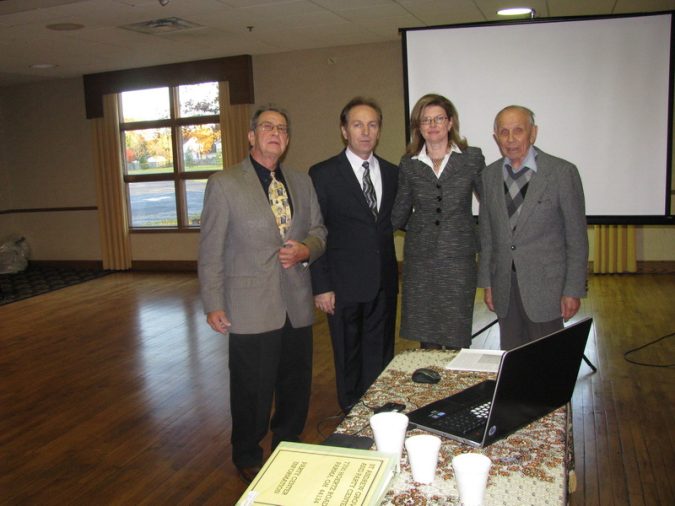
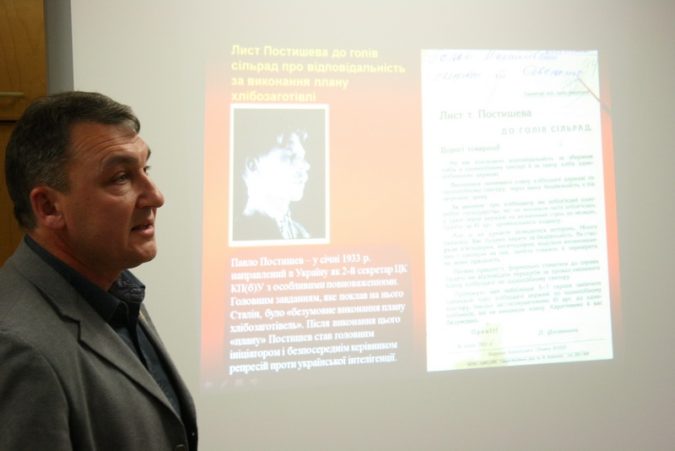
На парламентських слуханнях мав промову і гість з України: член Вченої ради Центру досліджень визвольного руху Геннадій Іванущенко.
Текст виступу українською і англійською мовою поданий нижче:
Шановні панове парламентарі, гості, учасники засідання!
У середині ХІХ століття українська пшениця, випадково потрапила до Канади. Ще раніше сюди прибули українські переселенці. Одне і друге чудово спрацювало на користь Канади: українська пшениця дала щедрі врожаї а українці допомогли розбудувати Канаду, особливо її степи включно з Альбертою, Саскачеваном і Манітобою. Тут цей сорт пшениці назвали “Ред Файв”, – він перетворив Канаду в світового експортера зерна. А українці, яких канадці назвали піонерами, перетворили дикі степи в найбагатші провінції країни.
Через кілька десятиліть Україна, звідки походила ця пшениця, пережила один з найбільших геноцидів в історії людства: українці-хлібороби помирали на найродючішій у Європі землі.
Це країна, яка боролася за свою незалежність, тому і стала жертвою Голодомору.
Це країна, народ якої досі бореться за зміцнення незалежності, за демократію і правову державу, за відновлення історичної пам`яті, за Європейський вибір, незважаючи на тяжкі наслідки колоніального минулого.
Для нас важливо, що ми не одинокі в цій боротьбі. Український народ, українські історики вдячні народу і Уряду Канади за визнання українського Голодомору геноцидом, за поширення правди про це, за підтримку.
У 1933 році в одному тільки містечку Недригайлів Сумської області, де проходило моє дитинство, 65% померлих становили жертви голоду. Всі загиблі були українцями і хліборобами. Але влада СРСР про це забороняла говорити. Тому сьогодні, для багатьох українців відкриття документів, – це повернення пам`яті і шлях до перспективи. Тому для мене це особлива тема, бо правда зробить нас вільними.
Цієї осені в Україні мільйони людей запалять свічки пам`яті, поминаючи жертв комуністичного режиму. Поставлять нові пам`ятники-хрести на багатьох колективних могилах. Ці хрести, – як знаки додавання між минулим і майбутнім, бо не осмисливши минулого, ні Україна, ні Світ не можуть рухатися вперед. Непомічена трагедія, як непокаране зло, – може повторитися.
“Доки Україна зберігає свою національну єдність, доки її народ продовжує думати про себе як про українців і домагається незалежності, доти вона становить серйозну загрозу для самої суті совєтизму.” – говорив Рафаель Лемкін, який пояснював свою концепцію геноциду саме Голодомором 1932-1933 років в Україні. Нині його слова надзвичайно актуальні, бо тоталітаризм не зник в сучасному світі, він тільки змінює форми і Україна знову опиняється віч-на-віч з загрозою Російского імперіалізму.
Сподіваюся, що відважна політика Канадського уряду відносно України, особливо захист права українських істориків допомагати народу відновлювати свою історичну пам’ять лишиться незмінною. Ваша підтримка України додає нам сил і принесе гарні врожаї на ниві демократії і свободи.
Дякую.
MESSAGE DELIVERED AT ALBERTA LEGISLATURE HOLODOMOR COMMEMORATION
TUESDAY, NOVEMBER 26, 2013 BY HENNADIY IVANUSHCHENKO
ENGLISH TRANSLATION FROM UKRAINIAN
Honorable Members of the Legislative Assembly, Dear Guests and Participants of this Gathering!
In the mid-19th Century Ukrainian wheat accidentally found its way to Canada. Ukrainian settlers made their way here even sooner. In both cases, Canada benefitted greatly: Ukrainian wheat yielded generous harvests, while Ukrainians helped build Canada – especially the prairies of Alberta, Saskatchewan and Manitoba. This particular sort of wheat took on the name “Red Fife,” and in time would turn Canada into a world exporter of grain. For their part, Ukrainians, who came to be called pioneers, turned the wild prairies into the richest provinces of Canada.
A few decades later Ukraine, the place of origin of this very wheat, suffered one of the worst acts of genocide in the history of mankind: Ukrainian farmers were starving on the most fertile soil in all of Europe.
This was a country that had fought for its independence and, as a result, became the victim of a forced famine – the Holodomor.
This is a country whose people – to this very day – are struggling for a steadfast independence, for democracy and a just society, for the restoration of an acknowledged national history, in spite of the stagnating remnants of its colonial past.
It is critical to us that we are not alone in this struggle. The Ukrainian people, Ukrainian historians, are grateful to the people and Government of Canada, and to the Province of Alberta for proclaiming the Ukrainian Holodomor as an act of genocide, for spreading the truth, for its support.
In 1933, in just one town of Nedryhailiv, oblast of Sumy, where I spent my youth, 65% of the population perished from starvation. They were all of Ukrainian ethnic origin, and all had farmed the land. The authorities of the USSR forbade even speaking of this, however. Consequently, for many Ukrainians today the unsealing of countless documents has meant a return to a collective memory, and a pathway to a common perspective. This subject is especially dear to me personally, for the truth shall set us free.
This autumn in Ukraine, millions of people will light memorial candles, honouring victims of the communist regime. They will place new markers and crosses on multiple sites of mass graves. These crosses, resembling plus signs in arithmetic, seem to represent the bringing together of the past and the future, because neither Ukraine nor the World can move forward without analyzing the past. An unnoticed tragedy, like an unpunished act of evil, could well repeat itself.
“For as long as Ukraine maintains its national unity, for as long as its people continue to think of themselves as Ukrainians and demand independence, it will continue to pose a serious threat to the very essence of sovietism.” These words were spoken by Rafael Lemkin, who was attempting to explain his own concept of genocide by drawing on the 1932-33 Holodomor in Ukraine. Today his words ring exceptionally true, because totalitarianism has not vanished in today’s world, it has merely changed its shape, and Ukraine once again finds itself face-to-face with the threat of Russian imperialism.
I expect that the Canadian Government’s bold policies regarding Ukraine, especially in protecting the rights of Ukrainian historians to help their people resurrect their common, shared history, shall remain unchanged. Your support for Ukraine grants us strength and is destined to bring bountiful harvests on the fields of democracy and freedom.
Thank you.
Джерело: Центр досліджень визвольного руху